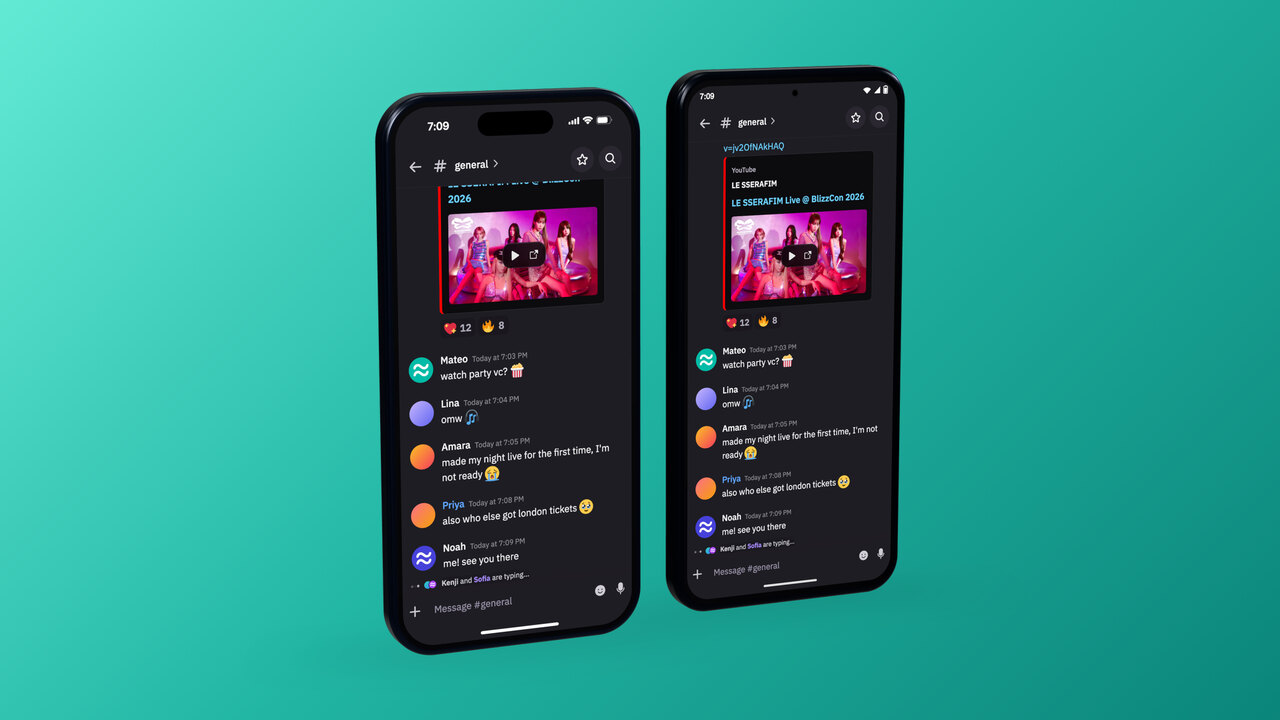

Fluxer has grown to nearly half a million registered users (as of 15 September 2026). Today we're launching the mobile apps and big self-hosting and safety improvements, and reopening pull requests. There's also a growing list of clients, tools, and bots.
We couldn't do this without all of you talking about Fluxer, subscribing to Plutonium, donating, filing bug reports, building things, testing rough edges, and helping us find what needs to be better. Volunteers have collectively put thousands of hours into Fluxer over the last few months. We're grateful to every one of you. Without you, none of this would be possible.
If you're new here, these two posts explain how Fluxer got here and what is next on the roadmap:
 Hampus Kraft
 Hampus Kraft
Before the announcements, one quick note: the self-hosting documentation is live.
Fluxer v2
It's here. Fluxer v2.
 fluxerapp
Now that the v2 refactor is out, we can keep GitHub in sync with active development, respond to issues, and review pull requests again. Thank you for your patience and kindness as we worked to reach this milestone, and thank you to the dozens of testers who helped get it launched.
The mobile app is now open source
The iOS and Android apps are built with Flutter, and their code is open source on GitHub.
fluxerappYou can use them today, through TestFlight on iOS or by installing the APK on Android. Both are on our download page. We're working on stabilizing them further so they're ready to launch on the app stores. Thanks to @M0N7Y5 and @Elias for their work on the mobile apps.
Safety and operations
We've been hard at work behind the scenes on instance moderation and operations. We've dealt with spam attacks, CSAM, extremist content, and other abuse while continuing to improve reliability and uptime.
Closing thoughts
See you in the Fluxerverse!